When Tesla shares leapt dramatically overnight, many on Wall Street sat up and took notice. The surge looked like more than a market wobble — it appeared to signal renewed confidence that the electric-vehicle pioneer may be shedding old clouds and charging toward a fresh growth chapter.
A few factors seem to be fueling the rally. First, whispers in the supply-chain ecosystem suggest that raw-material costs for key battery components have begun to stabilize, offering Tesla a potentially smoother cost curve in upcoming quarters. If battery-cell costs drop while production efficiencies hold steady, Tesla could regain its once-strong edge on cost-per-vehicle — which would ripple through margins and profitability. Meanwhile, demand indicators from some of Tesla’s global markets have ticked upward: pre-orders for new models have reportedly risen, and longer-term reservation data shows a rebound in consumer confidence toward EV ownership.
Beyond cars and margins, there’s another emerging catalyst that could underpin Tesla’s story: regulatory tailwinds in several major EV markets. As governments worldwide extend or reintroduce favourable incentives for electric vehicles — such as tax credits, purchase subsidies, and emissions-related benefits — price-sensitive buyers may increasingly lean toward EV adoption. Tesla sits in a sweet spot here: its global manufacturing footprint and scale make it one of the few automakers able to deliver EVs at relatively attractive price points when subsidies come into play.
Tesla’s ecosystem of energy solutions, software updates, and vertical integration further strengthens its long-term appeal. Recent moves to expand its energy-storage and solar-plus-battery offerings have shown promising early signs, positioning Tesla not just as a car maker but as a broader clean-energy player. As the energy transition deepens worldwide, Tesla could benefit not only from vehicle sales but also from growing demand for home energy storage, grid-stabilizing battery systems, and sustainable-energy bundles — diversifying its revenue streams beyond EVs.
Still, no major comeback comes without risk. The EV market is getting crowded and increasingly competitive, with both traditional automakers and insurgent startups vying for share. Whether Tesla can maintain pricing power, avoid margin pressure, and fend off competition remains uncertain. On top of that, global macroeconomic headwinds — inflation, interest rates, consumer spending slowdowns — could dampen demand for new vehicles, especially premium EVs. Execution remains a key wildcard: scaling production, managing supply chains, and delivering on software and energy promises all require flawless execution.
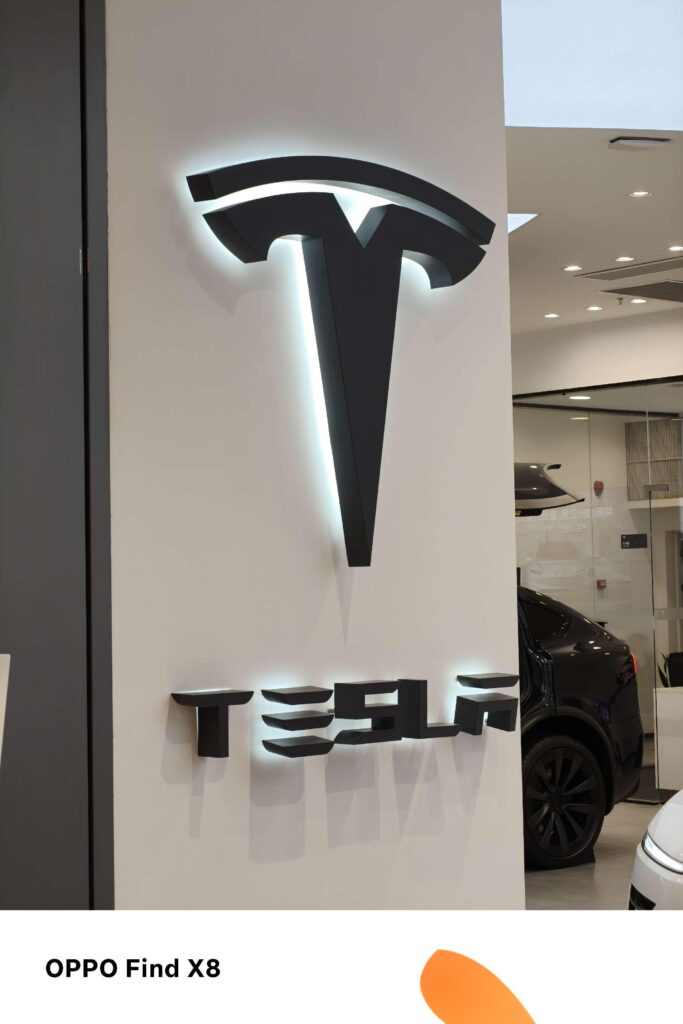
What’s clear, though, is that the recent rally isn’t being dismissed as random noise. For many investors, Tesla has once again become a high-upside story worth watching closely. If cost curves, global incentives, and demand signals align — and if Tesla can execute on diversification beyond cars — what we’re seeing may only be the opening act of a longer, more structural bull run.
Leave a Reply